




Particularly in Eastern countries, due to hot weather, rough roads, and high-speed driving, the chances of damage to tires become high. Therefore, it is important to select the proper tires for your vehicle, and obviously, maintenance can never be ignored, whether you have bought them from a well-known tire company or an unknown one.
In this blog, drivers will get to know what the most common tire problems in Egypt are and how, by choosing Continental Tires, they can drive smoothly in every weather and on every road.
5 Most Frequent Reasons Harming Tires
Driving on a Hot Road
In all Eastern countries, including Egypt, the weather remains hot, especially in the months of summer when temperatures cross over 40°C. That makes the road extremely hot, so when a tire comes in contact with it, the end result will be “flat tire”.
Tip:
One of the best tire safety tips is to avoid overloading your vehicle because, due to the excessive weight of the load on tires, they will blow out.
Most importantly, checking tire pressure on a weekly basis might prevent such incidents.
Inappropriate Inflation
Tires become bloated or swollen when the weather changes, since in the warmer temperatures, the molecules in the air travel a greater distance. Therefore, more pressure will be required, and even the sidewalls of tires become rigid, which will be a cause of overinflation.
But sometimes, because of using an improper pressure gauge, a driver in Egypt can be mistaken for faulty readings, which makes driving stressful, not peaceful.
Tip:
Always use the best digital gauge to get to know the accurate pressure of the tire.
Inaccurate Tire Selection
The tire will be damaged when a driver chooses the wrong one. For example, while driving in Egypt, you prefer WinterContact TS 870 P, which is not really great because in Eastern countries, temperatures remain quite hot during the day and cooler comparatively at night.
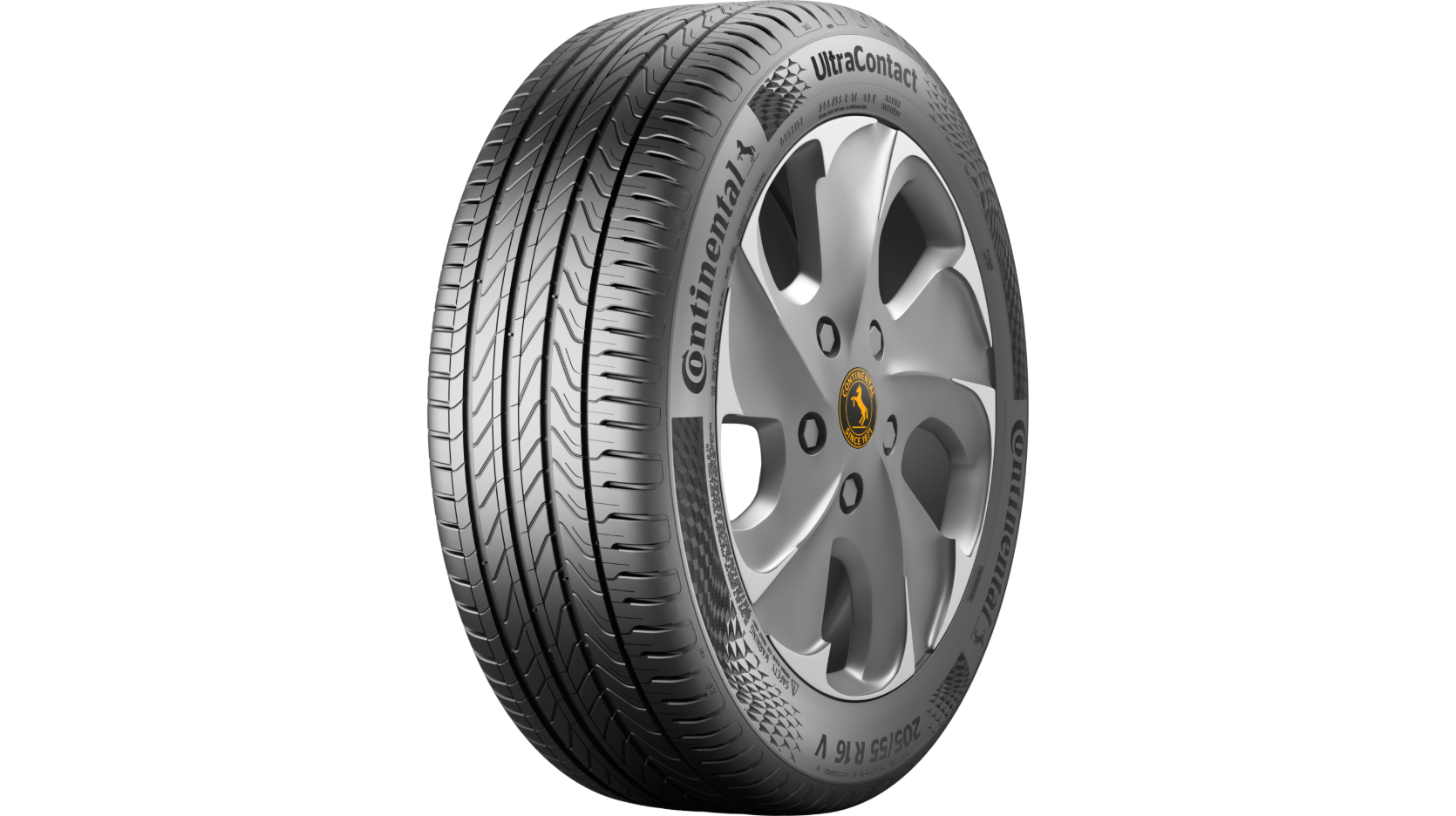
For that reason, Ultra Contact will be perfect as this tire is especially built for driving on hot asphalt. So, even when you visit the Giza Plateau for the great pyramids, these Continental tires will not make you regret but rather give you comfortable driving in the desert.
Tip:
Select tires based on the ongoing season, road condition, and vehicle.
Sharp Object Puncture the Tire
As a driver, you can never predict what is on the road, and that is why most of the time the tire gets flat because of a nail or a broken piece of glass.
Tip:
Trusting blindly in Continental tires will make your travel peaceful, because their tires have ContiSeal technology, which makes 80% of the holes seal and prevents tire damage.
Drive at High-Speed
When you cross the normal driving speed range, then friction is created between the road and the tire. However, this in turn generates heat and reduces the cooling period of tires, which softens the rubber compound, and driving will become dangerous.
Tip:
Drive at a minimum speed so that no physical or tire damage occurs.
Significance of Continental Tires in Egypt
As mentioned above, Continental tires are perfect for all seasons, but they have tires that are particularly for summer, like UltraContact UC6, UltraContact, and many more.
Furthermore, their tires, including SportContact 7, have all the advanced technologies of ContiSeal, ContiSilent, and SSR to make driving smooth in every weather and on all road types in Egypt.
What are the questions that people have for Continental Tires?
Why do tires wear out faster in Egypt’s hot climate?
High temperatures heat up the road surface, which increases friction between the tire and asphalt. This extra heat weakens rubber, speeds up tread wear, and raises the risk of blowouts, especially if tires are underinflated or overloaded. Regular pressure checks and using heat-resistant tires help prevent tire damage.
How often should I check my tire pressure in hot weather?
At least once a week. In Egypt’s climate, air inside tires expands quickly, which can lead to overinflation or sudden pressure changes. Using a reliable digital gauge ensures accurate readings and helps prevent uneven wear or blowouts.
Can the wrong type of tire really damage my vehicle?
Yes. Using tires designed for cold climates (such as winter tires) in Egypt’s hot conditions can cause faster wear, poor grip, and overheating. Choosing tires built for warm temperatures and hot asphalt, like summer or all-season models, improves safety and tire life.
What usually causes sudden flat tires on Egyptian roads?
Sharp objects such as glass, nails, and metal debris are common causes. These punctures can happen unexpectedly, especially on rough or poorly maintained roads. Tires with sealing technology (like self-sealing features) can reduce air loss and allow you to keep driving safely for a limited distance.
Does driving fast really damage tires?
Yes. High-speed driving increases friction and heat buildup, which softens the rubber and reduces the tire’s cooling time. Over time, this weakens the tire structure and increases the risk of blowouts. Maintaining moderate speeds helps extend tire life and improves safety.
Conclusion
Heat, poor road conditions, improper tire selection, and driving behaviors are common tire problems in Egypt; most of these issues are easily avoided. You can increase tire life and safety by driving sensibly, avoiding overloading, keeping appropriate tire pressure, and selecting the appropriate tire for local conditions. No matter where the road leads you, you can enjoy smoother, safer travels with premium options like Continental tires made for hot climes and rough roads.